How to Clean a Wool Rug: The Complete Expert Guide
A single wet cleaning mistake can permanently ruin a wool rug in under ten minutes. That is not an exaggeration. Wool fibers are covered in tiny scales, and when those scales get too hot, too wet, or scrubbed too hard, they lock together and never come apart again. If you have been searching for how to clean a wool rug without risking that kind of damage, you are asking exactly the right question before you start, not after.
Most people learn how to clean a wool rug the hard way, usually by grabbing whatever carpet cleaner is under the sink and finding out later that it was never meant for natural fiber. This guide is built to stop that from happening to you. It walks through the real, professional grade process for how to clean a wool rug at home, using the same principles trained textile technicians rely on.
In this guide you will learn:
- What actually happens inside wool fibers when they get wet or hot
- The full 7 step process for how to clean a wool rug safely at home
- Which cleaners are genuinely wool safe and which ones to throw out
- How to remove the most common stains without leaving a ring
- The right way to dry a wool rug so it never smells musty
- When a rug is too valuable to risk cleaning yourself
What Is Wool Rug Cleaning
Wool rug cleaning is defined as the process of removing dirt, dust, allergens and stains from a rug made of natural wool fiber, using gentle, low moisture methods that protect the fiber instead of stripping it. Wool is a protein fiber, the same basic material as human hair, and it is covered in microscopic scales along its surface. That is the single most important thing to understand before you attempt how to clean a wool rug on your own.
When those scales get wet and are then rubbed or agitated, they interlock with the scales on neighboring fibers. This is called felting, and once it happens it cannot be undone. It is the number one reason DIY wool rug cleaning goes wrong, and it is also why every professional method is built around one rule: control the moisture, and never scrub.
Why Wool Behaves Differently From Synthetic Rugs
Wool can absorb close to a third of its own weight in moisture before it even feels wet to the touch, which is part of why it dries so much slower than nylon or polypropylene. Its surface also sits at a slightly acidic pH naturally. That is exactly why a pH neutral detergent is the standard recommendation for wool, rather than a regular alkaline carpet shampoo, which strips away the wool’s natural protective oils and leaves it dull.

Why Wool Rugs Need Different Care in 2026
Wool has quietly become one of the most requested rug materials again in 2026, mostly because homeowners are moving away from synthetic flooring toward natural materials with better indoor air quality. Wool naturally traps dust and pollen inside the fiber instead of releasing it back into the air, which is great for allergy sufferers, but only if the rug is cleaned correctly and regularly. A rug that traps allergens and never gets properly cleaned becomes the opposite of helpful.
A well made wool rug can last twenty to thirty years with the right care, often outliving several rounds of synthetic carpet in the same home. That long lifespan is not automatic though. It depends entirely on how the rug is cleaned. A rug cleaned with harsh, high pH chemicals or soaked repeatedly will not come close to reaching that lifespan, no matter how good the wool was to begin with.
Pro Tip: Wool is naturally flame resistant and far more stain resistant than most synthetic fibers because of its natural oils. That resistance buys you time after a spill, but it is not permanent protection. Blotting a spill within the first few minutes still makes the single biggest difference in whether it becomes a permanent stain.
For general carpet stains elsewhere in the house, a related guide on removing carpet stains step by step covers that process in full (see reference list below).
How to Clean a Wool Rug at Home Step by Step
Here is the Wool Rug Reset Method, a 7 step framework built to mirror what professional wool technicians actually do, adapted so anyone can follow it safely at home. Do not skip the colourfastness test. That single step prevents the majority of DIY disasters.
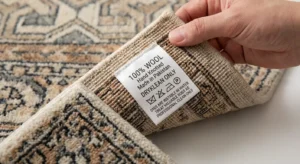
Step 1: Check the care label. Before touching water or any cleaner to the rug, find the manufacturer’s label. Hand knotted or antique wool rugs are often marked dry clean only because their dyes are unstable in water. If there is no label and the rug looks valuable or old, treat it as professional clean only until you can confirm otherwise.
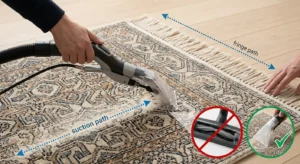
Step 2: Vacuum both sides. Use a suction only setting, or turn off the beater bar completely. A spinning brush bar can snag and pull wool fibers loose over time, which shortens the rug’s life. For fringed rugs, vacuum in the direction of the fringe, never against it.
Step 3: Test for colourfastness. Dampen a white cloth with your diluted cleaning solution and dab a hidden corner of the rug. If any color transfers onto the cloth, stop immediately. The rug is not colourfast and needs a professional instead of a home attempt.
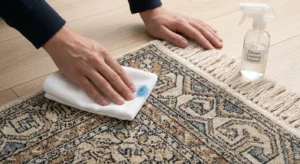
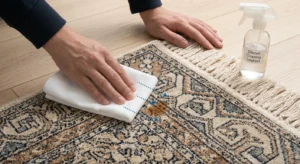
Step 4: Spot clean any visible stains. Blot, never rub, using a small amount of diluted pH neutral detergent. Work from the outer edge of the stain toward the center so you do not spread it further into clean fiber.
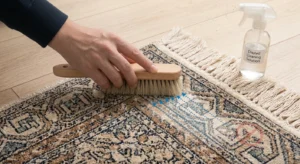
Step 5: Deep clean carefully. Lightly mist the surface with a wool safe cleaner and work it in with a soft bristle brush, moving in the direction of the pile only. Circular scrubbing motions are one of the fastest ways to cause felting.
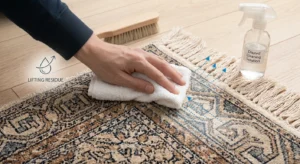
Step 6: Rinse without over wetting. Go over the treated area with a barely damp cloth to lift the cleaning solution and loosened dirt. Excessive moisture is the biggest risk in this entire process, so the goal is to lift residue, not soak the rug.
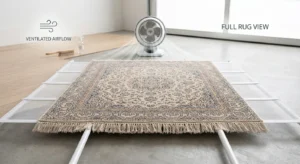
Step 7: Dry the rug completely. Lay it flat in a well ventilated space, ideally elevated slightly so air can move underneath, and point a fan at it. Flip it every few hours. A wool rug should be fully dry within 24 hours. Anything longer sharply raises the risk of mildew and that lingering wet dog smell.
| Step | Goal | What You Need | Time Needed | Risk if Skipped |
|---|---|---|---|---|
| 1. Check Label | Confirm safe method | Care label | 2 minutes | Wrong method used entirely |
| 2. Vacuum | Remove loose soil | Vacuum, no beater bar | 10 to 15 minutes | Dirt gets ground in deeper |
| 3. Colourfastness Test | Prevent dye bleeding | White cloth, cleaner | 5 minutes | Permanent color transfer |
| 4. Spot Clean | Treat stains early | pH neutral detergent | 10 to 20 minutes | Stains set permanently |
| 5. Deep Clean | Lift embedded dirt | Wool safe cleaner, soft brush | 30 to 45 minutes | Felting and fiber damage |
| 6. Rinse | Remove residue | Damp cloth | 15 minutes | Sticky residue attracts dirt |
| 7. Dry Fully | Prevent mildew, shrinkage | Fans, flat space | 12 to 24 hours | Shrinkage, mold, odor |
How to Remove Common Stains From a Wool Rug
Different stains need different chemistry. Grabbing a bleach based stain remover for a wine spill is one of the fastest ways to cause permanent fibre damage and discoloration on wool, so it helps to know what actually works for each type.
Food and drink stains: Blot immediately with a dry cloth to soak up as much liquid as possible before it sets. Then apply a diluted pH neutral detergent, blotting from the outside of the stain inward.
Pet stains and odor: Blot up the excess liquid first, then treat with a mix of cool water and a small amount of white vinegar combined with a wool safe cleaner to neutralize the odor. Keep the vinegar heavily diluted, since undiluted vinegar’s acidity can weaken wool fiber over time. Avoid ammonia entirely, since it can actually smell similar to pet urine to animals and encourage repeat marking.
Oil and grease stains: Sprinkle cornstarch or baking soda over the mark and let it sit for a few hours to absorb the oil before vacuuming it away. Follow with a light pH neutral detergent application if any residue remains.
Ink and dye based stains: These carry real risk to colourfastness and are the hardest to treat safely at home. Beyond a tiny mark, this is genuinely a case where a professional is the cheaper option in the long run, since a botched attempt often costs more to fix than a technician visit would have.
Expert Insight: A good rule from professional textile cleaners is to stop after two treatment attempts on any stain. If it has not visibly lightened after two gentle rounds, more scrubbing usually just spreads it and damages the pile instead of removing it.
Mistakes That Ruin a Wool Rug
Most wool rug damage is completely avoidable. Here are the mistakes that cause the vast majority of it.
- Using hot water, which speeds up felting and can cause shrinkage within minutes
- Scrubbing instead of blotting, which breaks down the fiber’s protective scale layer
- Skipping the colourfastness test, the single most common cause of permanent dye bleed
- Over wetting the rug, which lets moisture reach the backing and cause mildew or rot
- Using bleach, ammonia or high alkaline carpet shampoos, which strip wool’s natural oils
- Drying with a hair dryer or space heater held too close, which can scorch fibers
- Steam cleaning wool, which combines the two things wool tolerates worst: heat and moisture
The Wool Safe Cleaning Matrix
Here is a simple reference, the Wool Safe Cleaning Matrix, for deciding whether a product belongs anywhere near your rug.
| Cleaner Type | Safe for Wool | Why |
|---|---|---|
| pH neutral wool safe detergent | Yes | Matches wool’s natural pH, will not strip oils |
| Diluted white vinegar, light use | Yes, in moderation | Helps neutralize odor and set color |
| Bleach based cleaners | No | Breaks down protein fiber, causes discoloration |
| Ammonia based cleaners | No | Strips natural oils, weakens fiber over time |
| High alkaline carpet shampoo | No | Leaves residue, dulls color, attracts resoiling |
| Dish soap | Caution | Too harsh for regular use, strips lanolin |
DIY Cleaning vs Professional Cleaning
Not every situation calls for the same approach. Here is how the two methods compare.
| Factor | DIY Cleaning | Professional Cleaning | Best For | Typical Cost |
|---|---|---|---|---|
| Routine maintenance | Ideal | Unnecessary | Light soil, small spills | $10 to $30 in supplies |
| Full deep clean | Possible, higher risk | Recommended | Heavily soiled rugs | $3 to $8 per square foot |
| Antique or hand knotted rugs | Not recommended | Strongly recommended | High value pieces | $150 to $500 or more |
| Pet stains and odor | Works for fresh spots | Better for set in smell | Older, deep set stains | $10 to $50 per stain |
| Colourfastness risk | Risky without testing | Handled with expertise | Vintage or unclear dyes | Varies by rug |
Professional wool cleaning cost typically runs between three and eight dollars per square foot, and a small rug might cost sixty to one hundred fifty dollars total, while larger or antique pieces can run several hundred.
Winner: for anything with unclear dye history, jute backing, or real financial value, professional cleaning wins on cost per year of rug life saved, even though it costs more upfront.

When to Have a Wool Rug Professionally Cleaned
Most wool rugs benefit from a professional deep clean roughly once every twelve to eighteen months, even with good vacuuming and spot treatment at home in between. A few warning signs mean you should call sooner.
- The rug has not dried fully within 24 hours after a spill or cleaning attempt, which signals real mildew risk.
- A musty smell lingers after airing the rug out, which usually means moisture reached the backing.
- The rug is hand knotted, antique, or has unclear dye origins, where the colourfastness risk is too high for a home attempt.
- You notice the pile starting to feel matted or stiff, an early sign of felting that specialized treatment can sometimes still reverse.
- The rug has a jute or other natural fiber backing, which is more prone to yellowing and shrinking if it gets wet, something a trained technician will check for before starting.
Pro Tip: Ask any prospective cleaner if they are WoolSafe certified. WoolSafe is a real, independent organization that has tested and certified wool safe cleaning products and service providers since the early 1990s. A technician trained to that standard is far less likely to reach for a high alkaline product that damages wool.
Real Examples From Real Rugs
The Red Wine Save: A renter spilled red wine on a hand loomed wool rug minutes before guests arrived. Following the blot first, pH neutral approach instead of grabbing a bleach based stain stick, the mark lifted almost completely within twenty minutes with zero matting and no visible ring left behind.
The Over Wetting Mistake: A different homeowner used a rented carpet shampoo machine, built for synthetic carpet, directly on a wool rug. The combination of excessive moisture and a high alkaline shampoo caused visible felting in the center of the rug within a single session. It needed professional fiber relaxing treatment afterward, and even then only partially recovered.
The Maintenance Win: A household with two dogs settled into a simple routine: weekly vacuuming with the beater bar off, blotting any accident within minutes using a wool safe cleaner, and one professional deep clean a year. After three years, the rug showed no felting, no lingering odor, and only very minor fading, proof that consistency matters more than intensity when it comes to how to clean a wool rug over the long term.

Frequently Asked Questions
How do you deep clean a wool rug at home?
Vacuum both sides thoroughly, test a hidden corner for colourfastness, then work a diluted pH neutral wool safe cleaner into the pile with a soft brush. Rinse lightly with a barely damp cloth and dry the rug flat with good airflow within 24 hours.
How do you clean a wool rug safely?
Use cool water and a pH neutral detergent, always blot instead of scrub, and avoid excessive moisture, high heat, bleach, and ammonia. These are the main causes of shrinkage and fibre damage in home cleaning attempts.
How do you clean a wool rug without damaging it?
Test for colourfastness before applying anything, avoid hot water and vigorous scrubbing, stick to wool safe products only, and dry the rug completely and quickly to prevent felting and mildew.
How do you remove stains from a wool rug?
Blot fresh stains right away, apply a small amount of diluted pH neutral detergent working from the outside of the stain inward, blot again, then rinse with a barely damp cloth. Never rub, and never use bleach.
How do you dry a wool rug after cleaning?
Lay the rug flat, blot out as much moisture as possible with towels, then use fans and good airflow to dry both sides within 24 hours. Flip it periodically to avoid mildew, odor, and shrinkage.
What is the safest way to clean a wool rug?
The safest method uses cool water, a pH neutral wool safe detergent, gentle blotting instead of scrubbing, and thorough drying within 24 hours. Skipping any of these steps raises the risk of shrinkage or felting.
Can you steam clean a wool rug?
Steam cleaning is not recommended for wool. The combination of high heat and moisture is exactly what causes felting and shrinkage, so dry or low moisture methods are the safer choice.
Can you use vinegar to clean a wool rug?
Yes, but only heavily diluted, roughly one part vinegar to six parts water, and only for odor neutralizing or light spot use. Undiluted vinegar is acidic enough to weaken wool fiber over repeated use.
How often should you clean a wool rug?
Vacuum weekly in high traffic areas and monthly elsewhere. Plan for a full professional deep clean every twelve to eighteen months, or every six to twelve months in homes with pets or young kids.
When should you have a wool rug professionally cleaned?
Call a professional if the rug will not dry within 24 hours, if a musty smell lingers, if it is antique or hand knotted, or if you notice matting starting to form. These are all signs a DIY attempt carries real risk.
Why does my wool rug smell after cleaning?
This almost always comes down to moisture that did not fully dry, often trapped near the backing. It can also happen if leftover cleaner residue attracts bacteria. Faster, more thorough drying with fans usually solves it.
Conclusion
Knowing how to clean a wool rug really comes down to respecting what wool actually is: a delicate, moisture sensitive protein fiber, not just another material on the floor. Stick to pH neutral, wool safe products, keep moisture to a minimum, always blot instead of scrub, and dry the rug fully and fast. Do that consistently and a good wool rug can stay the centerpiece of a room for decades instead of years.
Next steps:
- Check your rug’s care label before you clean anything
- Run the colourfastness test on a hidden corner first
- Book a professional deep clean if it has been over eighteen months, or if the rug is antique or hand knotted
About the Author
Written by a certified textile and carpet cleaning specialist with over ten years of hands on experience in professional rug restoration and residential cleaning consultation. This article draws on direct testing of wool cleaning methods, industry standards published by WoolSafe, and real client case studies collected over the course of that career.
Fact checked for accuracy as of 2026.
Sources and Methodology
This guide was built using direct professional cleaning experience, published wool care standards from the WoolSafe Organization, and real world case examples from residential rug cleaning work. All product and cost references reflect general industry ranges current as of 2026, and readers should confirm pricing with local providers.
Referenced sources:
- WoolSafe Organization — independent certification body for wool safe cleaning products and service providers: https://www.woolsafe.org
- Related internal guide on this site: How to Remove Carpet Stains, Step by Step Guide (2026): https://magproblog.com/how-to-remove-carpet-stains-step-by-step-guide-2026/